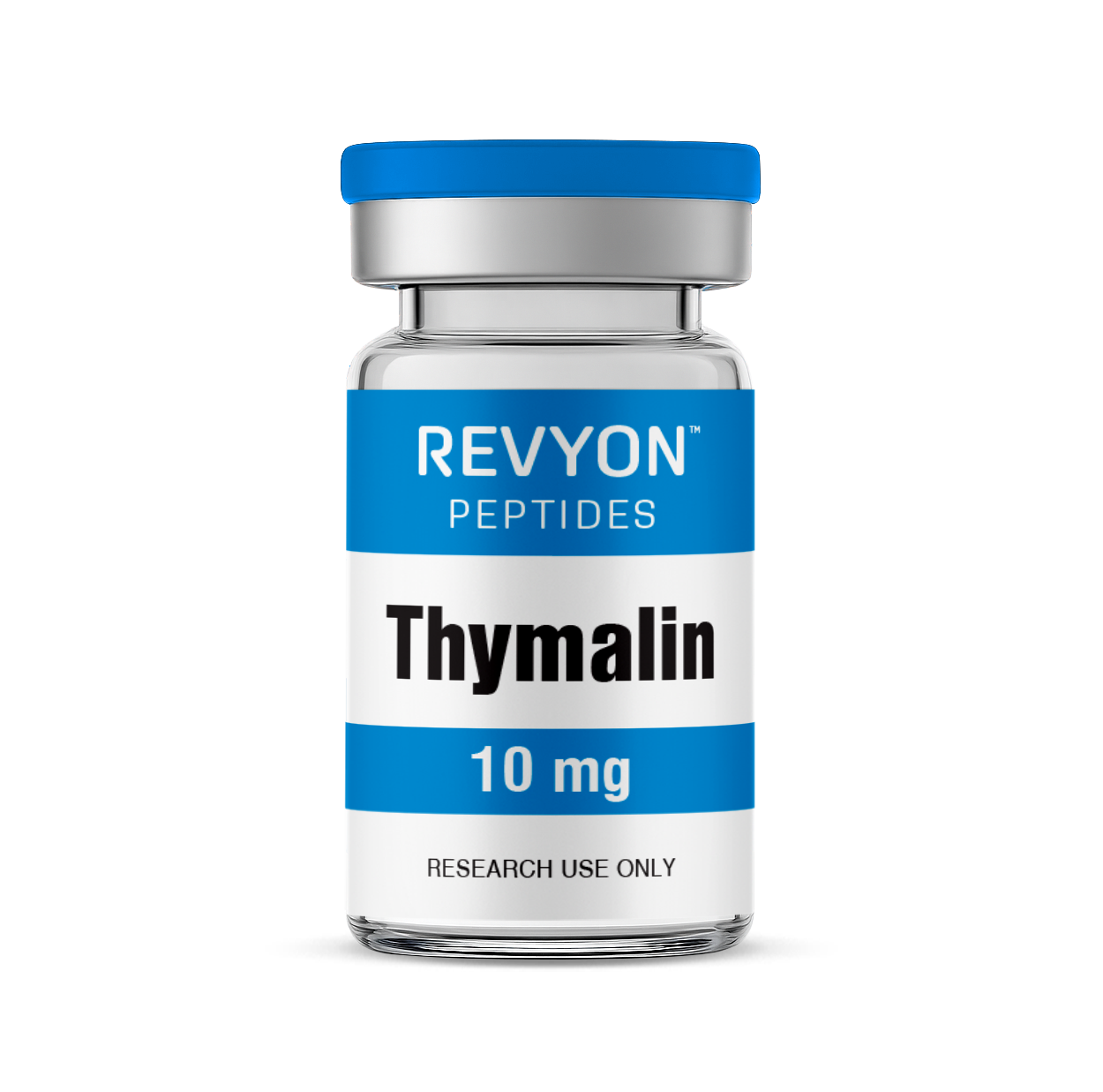

Thymalin is widely studied for its influence on T-cell maturation, immune balancing, and its potential role in supporting cellular repair and healthy aging.
Thymic Peptide Complex / Immune Modulator / Cellular Regeneration Research Peptide
Thymalin is a synthetic peptide complex modeled after naturally occurring thymic peptides involved in immune system development, cellular differentiation, and homeostatic regulation. It is widely studied for its influence on T-cell maturation, immune balancing, and its potential role in supporting cellular repair and healthy aging.
Thymalin supports research into immunoregulation, inflammation biology, and regenerative pathways, making it a foundational peptide in studies of immune system optimization and longevity science.
RESEARCH
Thymalin is a laboratory-produced peptide formulation designed to emulate bioactive components of thymus-derived regulatory peptides.
It has been extensively studied for its potential effects on normalizing immune responses, stimulating hematopoietic activity, and regulating mechanisms of cellular turnover and tissue homeostasis.
Provided in lyophilized form, Thymalin is intended exclusively for controlled in vitro research focused on immunology, regenerative biology, and cellular signaling pathways associated with aging and immune function.
Chemical Information:
Molecular Formula: Varies by peptide fraction
Primary Active Sequence: Tripeptide complex including Glu-Trp (EW) and related thymic regulatory fragments
Molecular Weight: ~400–500 g/mol (primary active components)
Structure: Short-chain thymic peptide analogs
(Note: As with other thymic peptide complexes, Thymalin consists of multiple naturally modeled short peptides rather than a single defined amino acid chain.)
Description:
Thymalin is a synthetic thymic peptide complex provided exclusively for qualified laboratory research.
This material is intended solely for in vitro experimental use, including biochemical, immunologic, and cellular regulatory studies.
Supplied as a lyophilized powder, Thymalin is suitable for research involving immune modulation, cellular differentiation, oxidative stress pathways, and aging-related signaling.
No claims regarding biological activity, therapeutic effects, or clinical applications are made or implied.
Research Applications:
Immune System Modulation
Study Thymalin’s influence on T-cell development, immune balancing, and overall immunoregulatory signaling.
Hematopoietic Support Research
Investigate effects on bone marrow activity, leukocyte formation, and cellular lineage normalization.
Cellular Regeneration Studies
Explore potential roles in supporting balanced cell turnover, apoptosis regulation, and tissue recovery modeling.
Aging and Longevity Research
Examine gene expression changes associated with immune aging, oxidative stress reduction, and metabolic stability.
Inflammation and Stress Response Modeling
Assess its impact on inflammatory mediators and cellular resilience under stress-inducing conditions.
Storage and Handling:
Product Specifications:
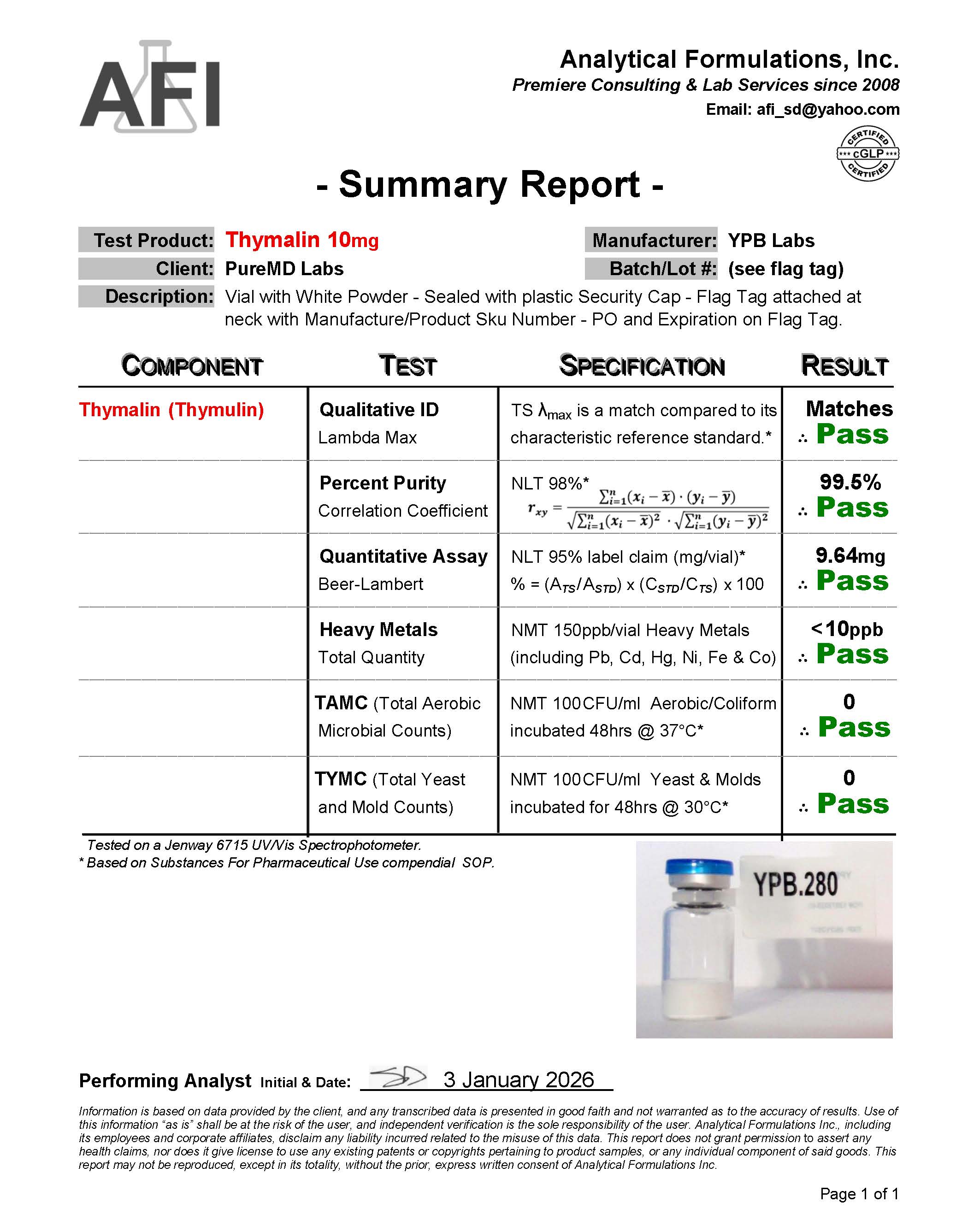
Purity: ≥99% (HPLC Certified)
Appearance: Lyophilized white powder
Solubility: Soluble in bacteriostatic water
Form: 10 mg vial
Compliance Notice:
Thymalin is FOR RESEARCH USE ONLY.
It is not intended for human or veterinary use.
This compound has not been evaluated by the FDA.
Misuse may violate federal, state, or local laws.
By purchasing this product, the buyer affirms it will be used solely for in vitro scientific research.
Key Research Features:
Mechanism of Action (Simplified):
Applications / Possible Uses:
Form / Notes: